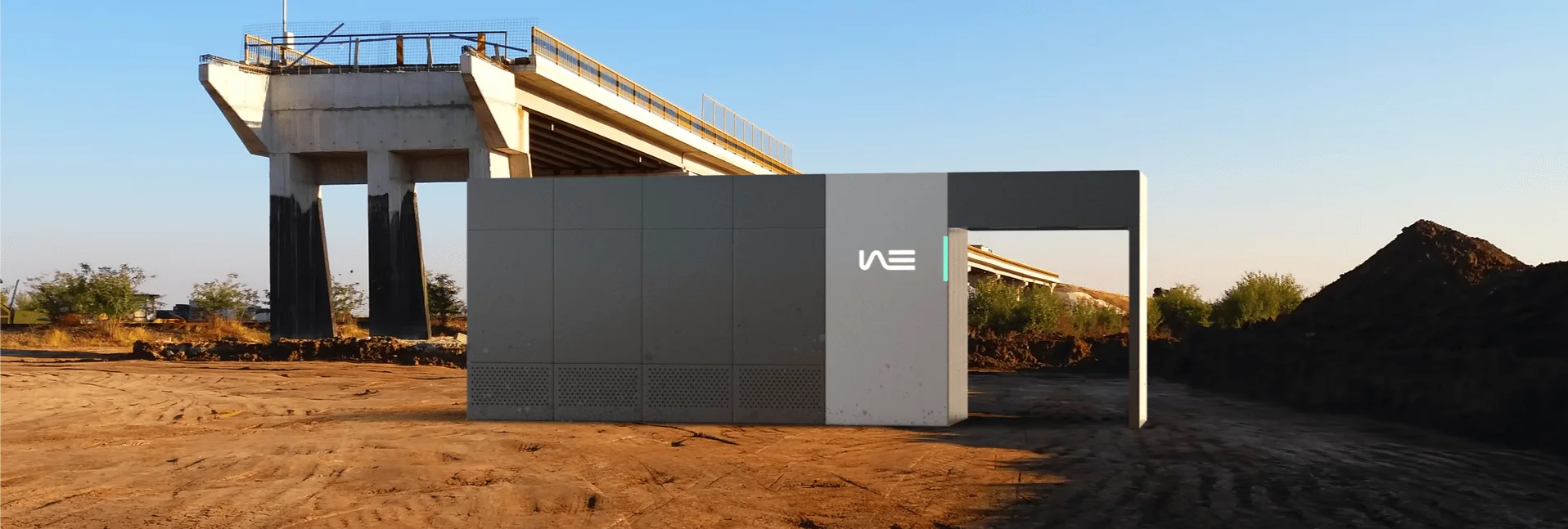
Company profile
Make constrained
power
usable.
Weyland builds NeoEnergy systems by connecting storage, power conversion, orchestration and lifecycle operation around the constraint at each site.
Store · Interface · Orchestrate · OperateView online, download the PDF or print the full company profile.

Company profile
Make constrained power usable.
Weyland builds NeoEnergy systems for commercial and industrial sites, AI infrastructure and the grid edge.

Company overview
One architecture, configured around each site.
Weyland connects storage, power conversion, software and operations between energy source and demand. The same functional architecture can be configured across distributed, commercial and large-scale applications.

Why now
Power availability is becoming the critical path.
Electrification, renewable connection constraints and high-density compute are increasing the need for flexible, observable site power. External market projections describe the category; they are not evidence of Weyland performance.

NeoEnergy
A grid-edge system, complementary to generation and networks.
NeoEnergy stores energy, manages the site interface, orchestrates dispatch and keeps the system connected through operation. It is designed to make available power more flexible and usable.

System stack
Four layers form one accountable system.
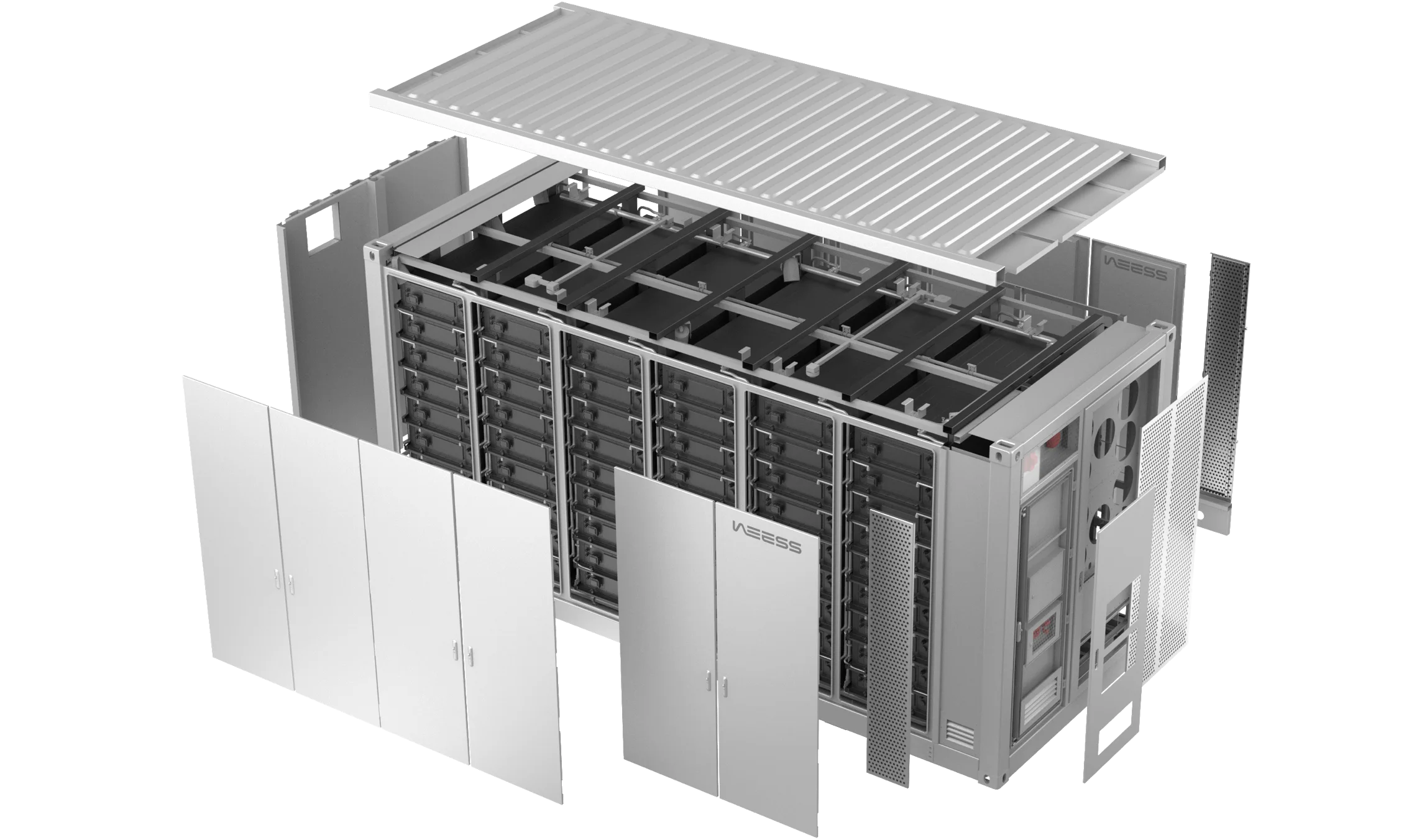
Battery packs and BMS store energy. PCS and inverters shape the interface. EMS and telemetry orchestrate the system. Commissioning, monitoring and maintenance connect it through operation.
- 01StoreBattery packs + BMS
- 02InterfacePCS + inverter
- 03OrchestrateEMS + telemetry
- 04OperateCommission + maintain
Functional architecture. Final equipment, specifications and responsibilities are project-defined.
Power-constrained sites
Keep site demand inside the available power limit.
For AI and industrial sites, active storage and control can recover usable headroom, manage peaks and fast ramps, and add short-duration resilience. Outcomes depend on source, sizing, duration and the site limit.
Illustrative operating concept, not customer telemetry. Results depend on the site limit, energy source, sizing and storage duration.
Power interface
Standardise the interface across storage and site conditions.
Weyland’s PCS concept is designed to adapt heterogeneous DC assets while presenting one controllable interface to the grid, microgrid or critical load.
protection
real-time control
AI / industrial load
Company-described architecture. Product ownership, ratings, compatibility and performance require approved evidence.

Why Weyland
Three control points shape site performance.
The electrical interface shapes power. Dispatch coordinates charging and discharging against site and grid constraints. Operation connects commissioning, monitoring and service through one accountable lifecycle.

Defensibility
Every deployed system should build the next proof asset.
Interface know-how, repeatable delivery, operating data and retained lifecycle relationships can compound only when ownership, compatibility, commissioning and service evidence are documented.

Competitive position
Local integration and accountability across the site boundary.
Component manufacturers, solar-storage platforms and onsite generation providers begin from different parts of the system. Weyland’s position is the focused integration of storage flexibility, site economics and lifecycle accountability.

Scale system
Scale starts with one proven, repeatable site design.
Prove the outcome, standardise one configuration, repeat the deployment locally and operate the fleet. Each step should produce evidence the next site can reuse.

Physical truth
Storage shifts energy; PCS controls power.
Storage moves electricity through time while the PCS shapes voltage, current and direction in real time. Conversion and auxiliary losses apply, recharge requires an energy source and storage duration is finite.
protection
real-time control
AI / industrial load
Company-described architecture. Product ownership, ratings, compatibility and performance require approved evidence.
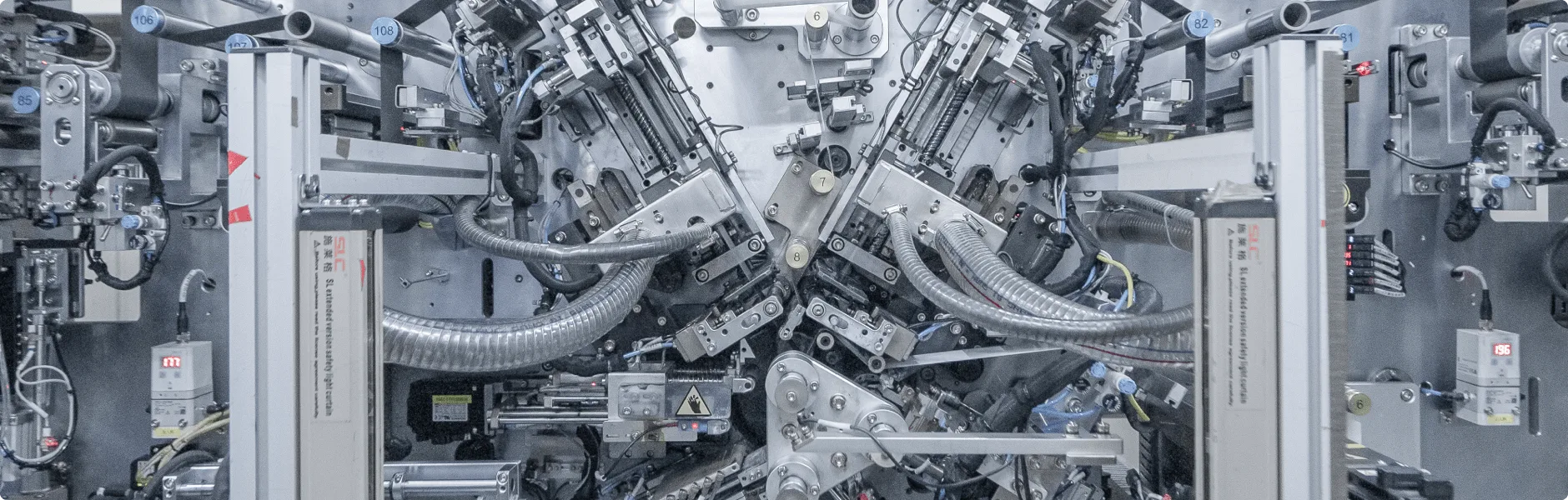
Configuration spectrum
Approximately 10 kWh to 4.47 MWh across reference configurations.
Company-reported examples span 10.24–20.48 kWh distributed systems, a 232 kWh commercial configuration and a 4.47 MWh containerised large-scale configuration.
- Distributed
- 10.24–20.48 kWh
- Commercial
- 232 kWh
- Large-scale
- 4.47 MWh
Reference configurations only. Confirm model, certification, market availability and final engineering specification.
Weyland NeoEnergy systems
Start with the constraint.
Define the available supply, load profile, resilience target and operating requirements. Then configure the storage, power interface, orchestration and lifecycle model around the site.